
Thanksgiving SVG Designs for Fall Crafts and Decor
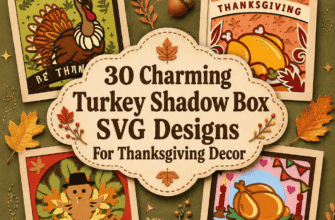
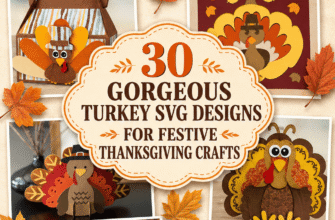
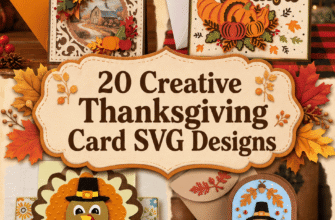
Thanksgiving SVG designs give paper crafters plenty of ways to prepare handmade decor, cards, gifts, and table details for the holiday. The category includes turkey cut files, pumpkin projects, gratitude messages, pie-themed crafts, candy holders, shadow boxes, gift boxes, and layered autumn decorations.
The best project is not always the design with the most detail. A good file should fit the finished size, material, and purpose of the craft. A small greeting card needs clean shapes and readable lettering, while a centerpiece or treat box needs firm folds, stable construction, and enough space for every decorative layer.
What You Can Make With Thanksgiving SVG Files
Thanksgiving paper crafts range from quick afternoon projects to detailed decorations that take several sessions to finish. Simple tags and cards are easy to make in small quantities, while party favors and place settings are usually cut and assembled in batches.
Before choosing a file, think about where the finished piece will be used. Table decorations need to look good from more than one angle. Wall decor can include finer layered details because it will remain flat and protected. Treat holders need room for the candy as well as strong tabs that will not open during handling.
- Thanksgiving cards for family greetings, dinner invitations, gratitude notes, and hostess gifts.
- Turkey SVG crafts for children’s projects, classroom favors, place settings, and playful seasonal decor.
- Shadow boxes with pumpkins, fall leaves, woodland scenes, family quotes, and layered harvest artwork.
- Candy domes for chocolates, wrapped sweets, small gifts, and individual table decorations.
- Lollipop holders for school celebrations, children’s tables, guest favors, and take-home treats.
- Gift boxes for baked goods, small presents, handmade keepsakes, and hostess gifts.
- Table centerpieces for Thanksgiving dinner, buffet displays, mantels, shelves, and entryway decor.
- Place cards and napkin rings for coordinated guest settings.
- Layered signs with thankful, grateful, family, harvest, and welcome messages.
- Paper pie and pumpkin crafts for garlands, tiered trays, cards, banners, and seasonal displays.
How to Choose the Right Thanksgiving SVG
Start with the finished project rather than the preview image. A detailed turkey may look impressive on screen, but narrow feather sections can become fragile when reduced to the size of a gift tag. In the same way, a simple pumpkin silhouette may be too plain for a large framed piece unless it includes layered leaves, lettering, or a patterned background.
A well-prepared Thanksgiving SVG should have a clear visual hierarchy. You should be able to identify the main shape, supporting details, and background without studying the file for several minutes. Folded projects also need easy-to-recognize tabs and score lines. If the construction is confusing before cutting, assembly will probably take longer than expected.
- Check the finished dimensions listed with the design.
- Look at the smallest details and decide whether they will cut cleanly at your planned size.
- Confirm that folded and decorative pieces are separated logically.
- Count the layers before choosing cardstock colors.
- Measure candy, lollipops, domes, gifts, or battery lights in advance.
- Check whether the file includes score lines for boxes and standing projects.
- Review the assembly preview to see how pieces overlap.
- Read the license before selling finished physical crafts.
Thanksgiving Craft Types at a Glance
Different project formats have different construction needs. This comparison helps narrow down which type of file fits your crafting time, materials, and intended use.
| Project Type | Best Used For | What to Check |
|---|---|---|
| Greeting Cards | Invitations, family notes, gratitude messages, and small handmade gifts. | Readable lettering, balanced front panels, clean folds, and details that remain clear at card size. |
| Turkey Treat Holders | Classroom favors, children’s tables, candy gifts, and party handouts. | Treat size, closure method, tab strength, and placement of wings, feathers, or facial pieces. |
| Candy Domes | Chocolate gifts, edible favors, table settings, and small seasonal displays. | Dome diameter, opening size, layer alignment, and access to the candy. |
| Shadow Boxes | Framed wall art, family gifts, autumn scenes, and layered home decor. | Frame depth, layer order, spacer thickness, paper contrast, and delicate bridges. |
| Centerpieces | Dining tables, buffet areas, shelves, mantels, and party displays. | Base stability, viewing angle, balance, fold strength, and overall finished height. |
| Gift Boxes | Hostess gifts, baked goods, small presents, and holiday packaging. | Internal dimensions, closure style, tab placement, and the weight of the contents. |
| Place Cards | Guest seating, name settings, buffet labels, and small table accents. | Writing area, readable names, stable base, and enough contrast between layers. |
| Layered Signs | Entryways, shelves, tiered trays, wall decor, and family gathering displays. | Letter spacing, background contrast, hanging method, and strength of narrow script sections. |
Popular Thanksgiving Themes and Motifs
Turkey designs are the most recognizable choice, but they can take several different directions. Rounded cartoon turkeys suit children’s crafts and candy holders. More detailed feather patterns work better for layered signs, mandalas, and framed decor. A simple turkey silhouette can also be paired with names to create personalized place cards.
Pumpkins and fall leaves are easier to reuse throughout the season. They fit Thanksgiving projects without limiting the finished piece to one day. This makes them a practical choice for mantel decor, shadow boxes, garlands, and signs that can remain on display from early autumn through the holiday.
- Turkeys: cartoon characters, layered feathers, mandala patterns, silhouettes, and personalized name designs.
- Pumpkins: stacked arrangements, patterned shapes, pumpkin pies, wagon displays, and harvest scenes.
- Autumn leaves: maple leaves, oak leaves, layered wreaths, garlands, borders, and table accents.
- Gratitude wording: thankful, grateful, blessed, gather, family, give thanks, and welcome home phrases.
- Harvest details: acorns, wheat, corn, baskets, apples, sunflowers, and cornucopia arrangements.
- Woodland characters: foxes, squirrels, owls, hedgehogs, and bears dressed for fall.
- Thanksgiving food: pumpkin pie, apple pie, mugs, serving dishes, and small kitchen-themed decorations.
- Seasonal gnomes: turkey hats, leaf details, pumpkins, pies, and gratitude signs.
Cardstock and Materials for Fall Paper Crafts
Medium-weight cardstock is a reliable starting point for most Thanksgiving SVG projects. It is firm enough for layered cards and decorative panels but still flexible enough for small folds. Boxes, standing centerpieces, utensil pockets, and treat holders usually need heavier cardstock so they keep their shape after assembly.
Smooth paper gives the cleanest result on narrow feather tips, leaf stems, small lettering, and detailed faces. Textured cardstock can add a handmade finish, but it is better reserved for broad background pieces. Deep texture may catch around thin cuts or make tiny adhesive areas harder to secure.
- Use smooth cardstock for lettering, faces, thin leaves, and detailed turkey feathers.
- Choose heavier paper for bases, boxes, standing decor, and treat holders.
- Add kraft cardstock for rustic signs, baskets, pie boxes, and farmhouse-style projects.
- Use patterned paper on broad feathers, box panels, banners, and simple backgrounds.
- Reserve glitter paper for larger accents rather than narrow cuts.
- Add vellum behind lantern openings, window panels, or illuminated shadow box sections.
- Use foam squares or paper spacers when layered depth is part of the design.
- Choose a battery-powered LED light for illuminated paper crafts.
Thanksgiving Color Palette Ideas
Traditional Thanksgiving crafts often use pumpkin orange, warm brown, mustard yellow, cream, burgundy, olive green, and muted red. These colors feel familiar, but they can blend together when several dark shades sit directly beside one another. A cream, tan, or warm white layer helps separate the deeper tones.
A softer palette can combine dusty orange, sage green, beige, pale gold, and muted terracotta. This approach works nicely for modern table settings, neutral home decor, and gifts. For children’s projects, brighter orange, yellow, red, green, and turquoise can make cartoon turkeys and candy holders easier to read.
- Traditional harvest: rust, mustard, burgundy, olive, brown, and cream.
- Rustic farmhouse: kraft brown, warm white, black, muted orange, and dark green.
- Soft modern: beige, sage, dusty peach, terracotta, and pale gold.
- Kids’ crafts: bright orange, red, yellow, green, blue, and purple.
- Elegant dinner decor: ivory, copper, deep green, brown, and small gold accents.
Lay the paper pieces together before gluing anything. Two colors that looked different in the package may merge once they are stacked. This is especially common with brown, rust, dark orange, and burgundy cardstock.
Cutting and Assembly Tips for Better Results
Thanksgiving cut files often mix decorative shapes with functional parts. The decorative pieces need clean edges, while the folded pieces must line up accurately. Rushing either stage can leave a finished project that looks uneven or will not close properly.
- Check the scale. Review every narrow bridge, small face, leaf stem, and script letter before cutting.
- Make a test cut. Use a scrap of the same cardstock, especially when the design contains fine feather patterns.
- Resize connected pieces together. This keeps boxes, lids, inserts, and decorative panels in proportion.
- Mark the layer order. Arrange the pieces from back to front before applying adhesive.
- Score before folding. Clean score lines reduce cracking and keep box corners straight.
- Apply glue sparingly. Too much adhesive can spread beyond narrow leaves, letters, and feather tips.
- Press flat pieces while drying. A light book or clean flat weight can prevent layered panels from curling.
- Let structural parts set. Bases and boxes need time to dry before treats or gifts are added.
- Assemble one full sample. Test the complete project before preparing a large batch of favors.
Thanksgiving Table Decor and Party Favors
Small paper elements can make a Thanksgiving table feel coordinated without covering every open space. Place cards, napkin rings, utensil pockets, and individual treat holders add color near each setting. A larger centerpiece can then remain simple rather than competing with several other decorations.
Repeat two or three colors across the table instead of using the same design everywhere. For example, a pumpkin centerpiece, leaf-shaped place cards, and turkey candy holders can still belong together when they share cream, rust, and olive cardstock. The table feels connected, but each piece keeps its own purpose.
- Add guest names to turkey, pumpkin, leaf, or pie-shaped place cards.
- Use small gratitude messages on napkin wraps or utensil pockets.
- Place candy domes or lollipop holders at children’s settings.
- Make matching food labels for pies, side dishes, drinks, and desserts.
- Create a gratitude box with paper leaves that guests can write on.
- Use layered pumpkins or standing words as a centerpiece base.
- Add small battery lights behind vellum panels for evening table decor.
Handmade Thanksgiving Gifts and Home Decor
A handmade Thanksgiving gift does not need to be large. A layered card, small pie box, personalized ornament, or framed gratitude message can feel thoughtful because it was made for a specific person. Personalization works best when the recipient’s name remains easy to read and does not compete with the main artwork.
Shadow boxes and layered signs are better choices for lasting home decor. Turkey scenes feel strongly tied to the holiday, while pumpkins, leaves, wheat, and family wording can remain on display for most of the fall season. Neutral papers also make these projects easier to match with existing room colors.
- Personalized gratitude cards for relatives and dinner guests.
- Layered family-name signs for shelves or entryways.
- Pie boxes and treat packages for neighbors or hosts.
- Shadow boxes with autumn trees, pumpkins, leaves, or family quotes.
- Small paper ornaments for a gratitude tree.
- Recipe cards paired with a pie, baking mix, or kitchen gift.
- Framed layered wording for a mantel or seasonal gallery wall.
Planning Thanksgiving Crafts Without Rushing
Count the finished pieces before buying paper or cutting the first sheet. One centerpiece may only need a few layers, but twenty treat holders can require dozens of repeated pieces. Add extra material for test cuts, mistakes, and last-minute guests.
Begin with projects that have the most construction. Shadow boxes, gift boxes, standing decorations, and large batches of favors should come first. Cards, tags, food labels, and simple place cards can be finished later because they usually need less drying time and fewer structural checks.
- Four to six weeks ahead: choose designs, check licenses, and order specialty materials.
- Three to four weeks ahead: make test cuts and assemble one sample of each project.
- Two weeks ahead: cut repeated pieces for favors, boxes, and place settings.
- One week ahead: complete gluing, personalization, and packaging.
- One or two days ahead: arrange table decor and add candy or food items.
Common Thanksgiving SVG Mistakes
The most common problem is scaling a detailed design too small. Digital previews hide how narrow some cuts really are. Feather tips, leaf veins, script words, and tiny facial pieces may tear or disappear once the project is reduced.
Color choice causes another set of problems. A project can have perfectly cut layers and still look flat when every piece uses a similar orange or brown. Contrast should be checked before assembly, not after the glue has dried.
- Reducing detailed files below a practical cutting size.
- Using several dark fall colors without a light separator.
- Cutting every favor before testing one complete sample.
- Forgetting to measure candy, domes, lollipops, or gift contents.
- Choosing lightweight paper for a standing or filled project.
- Applying too much glue to thin decorative sections.
- Mixing up the front and back of layered pieces.
- Ignoring the depth required by a shadow box frame.
- Adding too many motifs to one small project.
- Waiting until the final week to start a large batch.
Frequently Asked Questions About Thanksgiving SVG Files
What Is a Thanksgiving SVG Used For?
A Thanksgiving SVG is used to create seasonal cards, turkey crafts, treat holders, candy domes, shadow boxes, gift boxes, table centerpieces, place cards, signs, and layered fall decorations. The same file type can support flat paper projects, folded constructions, or multi-layered framed artwork.
Which Thanksgiving Craft Is Best for Beginners?
Simple greeting cards, gift tags, basic pumpkin shapes, flat turkey silhouettes, and low-detail lollipop holders are good beginner projects. They have larger pieces and fewer layers than shadow boxes, candy domes, or freestanding centerpieces.
What Cardstock Should I Use?
Medium-weight smooth cardstock works for most layered paper crafts. Heavier cardstock is better for boxes, bases, centerpieces, and treat holders. Textured paper is best kept for broad decorative pieces because very fine details may not cut as cleanly.
Can Thanksgiving SVG Designs Be Resized?
Yes, although small details may become fragile when reduced. Check narrow bridges, script lettering, leaf stems, feather tips, and facial pieces after resizing. A test cut is the safest way to confirm that the new size will work.
Can These Files Be Used for Table Decorations?
Yes. Thanksgiving SVG files can be used for place cards, napkin rings, utensil pockets, candy holders, food labels, gratitude boxes, centerpieces, and small decorations for individual guest settings.
How Do I Add Depth to a Layered Design?
Use foam squares, adhesive strips, paper spacers, or folded cardstock frames between selected layers. Keep the spacing consistent and check that the completed stack will fit inside the frame, card, or display base.
Can Finished Thanksgiving Crafts Be Sold?
It depends on the license supplied with the individual design. Check whether the license allows commercial use of finished physical products. Digital resale, file sharing, and redistribution of the original SVG are usually treated separately.
How Far in Advance Should I Start?
Begin large decor pieces and repeated party favors several weeks before Thanksgiving. Simple cards and tags can be made closer to the holiday, but any batch project should be tested with one complete sample before full production begins.
Find a Thanksgiving Project That Fits Your Plans
The right design should match the time you have, the materials on hand, and the way the finished craft will be used. Simple cards and treat holders are practical for quick projects, while shadow boxes, layered signs, and centerpieces give you more room for detailed autumn scenes.
Use the Thanksgiving SVG collections in this category to compare project styles, construction methods, and seasonal themes. Check the dimensions and smallest details first, make one test cut, and choose cardstock with enough contrast to keep every layer clear.