
Shadow Box SVG
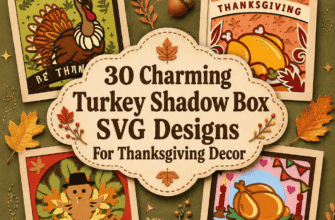
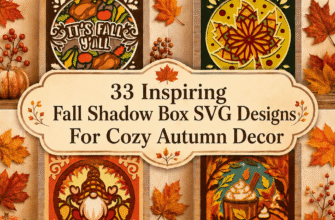
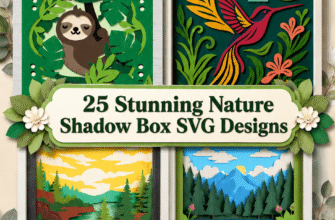
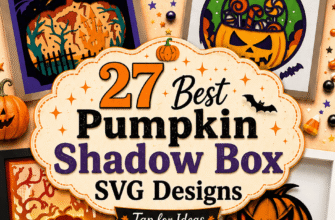
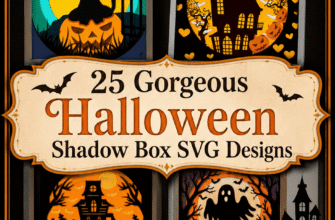
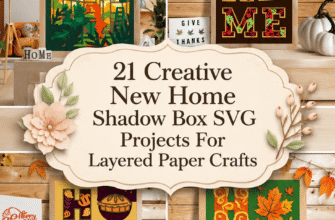
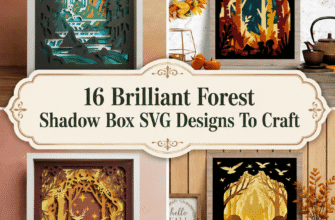
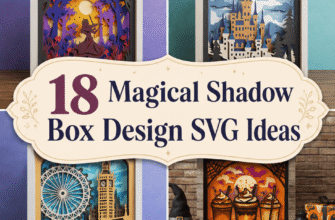
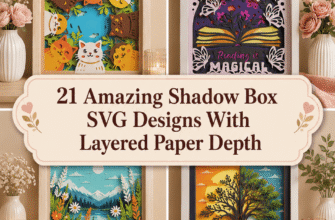
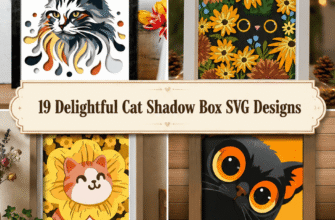
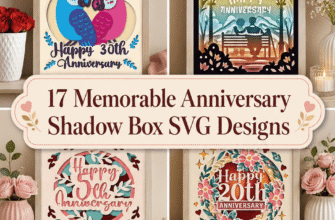
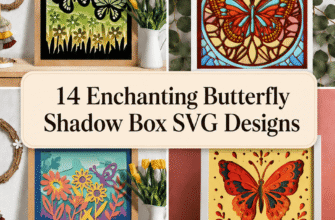
Shadow Box SVG Ideas For Layered Paper Decor
A Shadow Box SVG works best when the design is created for depth, not just for a flat paper cut. A strong file should have clear layers, readable silhouettes, balanced spacing, and a finished composition that makes sense inside a frame. The final project should feel like layered paper decor, framed wall art, or a handmade gift, not a crowded stack of random cut pieces.
This category brings together Shadow Box SVG ideas for home decor, family gifts, floral scenes, mandalas, animals, birthday keepsakes, anniversary projects, new home designs, seasonal displays, and layered paper art. It is made to help you compare shadow box styles before choosing a design that fits the frame size, paper colors, depth, assembly level, and final display.
Quick shadow box check: choose the Shadow Box SVG by the finished scene first. A family design needs a clear emotional focus. A floral shadow box needs soft depth. A mandala needs clean symmetry. A birthday or anniversary design needs readable details. A home decor piece needs colors that match the room.
Popular Shadow Box SVG Project Types
Shadow box projects can be simple and minimal or highly detailed with many layers. Some designs work best as wall decor, while others are better for gifts, keepsakes, nurseries, seasonal displays, or framed paper art. The right design depends on how much depth you want and where the finished piece will be displayed.
| Project Type | Best For | What To Check Before Cutting |
|---|---|---|
| Family Shadow Boxes | Family gifts, framed keepsakes, living room decor, parent gifts, and personalized paper art. | Check the main silhouette, name space, layer contrast, and whether the design feels warm and readable. |
| Floral Shadow Boxes | Bedroom decor, wedding gifts, Mother’s Day crafts, spring displays, and elegant handmade wall art. | Look for balanced petals, leaves, background depth, and soft contrast between floral layers. |
| Mandala Shadow Boxes | Modern wall art, meditation corners, geometric decor, framed gifts, and clean layered paper projects. | Check symmetry, cut detail size, paper contrast, and whether thin lines will stay strong after cutting. |
| Animal Shadow Boxes | Nursery decor, pet gifts, kids rooms, nature scenes, and playful home decor projects. | Make sure the animal silhouette stays clear and does not disappear behind background layers. |
| Birthday Shadow Boxes | Milestone birthdays, kids gifts, party keepsakes, nursery displays, and framed celebration decor. | Check number readability, name placement, theme clarity, and enough depth for the main subject. |
| Seasonal Shadow Boxes | Christmas, Halloween, Easter, fall decor, Valentine’s Day, and seasonal framed displays. | Check holiday symbols, contrast, layer count, and whether the scene feels clear inside the frame. |
Layered Paper Depth, Frames, And Composition
The main difference between a basic cut file and a good shadow box design is depth. A shadow box should have a foreground, middle layers, and background details that work together. If every layer has the same visual weight, the finished project can look flat even when it has many pieces.
Frame size also matters. A small frame needs bolder shapes and fewer tiny details. A larger frame can handle more layers, thin scenery, delicate flowers, stars, trees, animals, or text. The best Shadow Box SVG designs keep the focal point clear no matter how detailed the background becomes.
- Foreground: the closest layer should guide the eye and frame the main subject.
- Middle layers: these pieces create depth, movement, and the main story of the design.
- Background: the back layer should support the scene without overpowering the focal point.
- Frame depth: deeper frames allow more spacing, stronger shadows, and a more dimensional look.
- Color contrast: each layer needs enough separation so the design does not blend into one flat shape.
- Light and shadow: small gaps between layers can make the finished paper art look more dimensional.
Matching A Shadow Box Design To The Final Display
A framed paper craft should match the room, gift, or occasion. A nursery shadow box can be soft, cute, and playful. A family design can feel warm and sentimental. A mandala can look clean and modern. A floral frame can feel elegant, romantic, or seasonal depending on the colors and paper textures.
Thinking about the final display before cutting helps you choose the right style. A shadow box for a shelf can use softer details because people view it up close. A wall piece needs stronger shapes and clearer contrast. A gift project should feel polished, balanced, and easy to understand without explanation.
- Living room decor: choose clean compositions, neutral colors, botanical details, family themes, or modern geometric layers.
- Nursery decor: use animals, clouds, stars, moons, soft florals, name-ready designs, or gentle layered scenes.
- Gift projects: choose designs with a clear message, readable names, dates, family details, or sentimental symbols.
- Seasonal displays: use strong holiday shapes such as pumpkins, snowflakes, hearts, bunnies, leaves, or ornaments.
- Minimal interiors: look for mandalas, clean silhouettes, simple botanical layers, or limited color palettes.
- Statement pieces: choose larger frames, deeper layers, bold contrast, and one strong focal point.
What To Check Before Cutting A Shadow Box SVG
Shadow box files often include many thin details, stacked backgrounds, small stars, trees, flowers, animals, names, numbers, and delicate decorative shapes. These details can look beautiful in a preview, but they need to work at the final frame size.
Before cutting, check the layer order, frame depth, paper colors, cardstock strength, and whether the design needs spacers or foam tape. A clean assembly plan is especially important for layered paper decor because one misaligned layer can make the whole scene feel uneven.
- Layer order: make sure you understand which pieces go in front, middle, and back.
- Frame depth: choose a frame deep enough for the number of layers and spacing method.
- Small details: avoid shrinking designs too much if they include thin trees, tiny stars, script text, or lace-style cuts.
- Cardstock weight: use paper strong enough to hold shape but not so thick that the frame becomes bulky.
- Color planning: test the paper palette before cutting all layers, especially for dark or low-contrast designs.
- Assembly method: decide whether you will use glue, foam tape, spacers, or frame inserts before starting.
Shadow Box SVG Vs Shadow Box Template SVG Vs Layered Paper Art
These terms are often used together, but they do not always mean the same thing. A Shadow Box SVG usually refers to a cut file made for a framed layered project. A shadow box template may include a more complete structure, frame layout, or assembly plan. Layered paper art is a broader term that can include framed designs, flat layered cards, wall art, and dimensional paper scenes.
| Term | What It Usually Means | Best Use |
|---|---|---|
| Shadow Box SVG | A digital cut file designed for layered paper art inside a frame. | Home decor, handmade gifts, framed scenes, family keepsakes, and wall art. |
| Shadow Box Template SVG | A more structured file that may include layer order, frame sizing, or assembly guidance. | Beginners, planned projects, repeatable designs, and framed paper crafts with clear instructions. |
| Layered Paper Art | A broader paper craft style using stacked shapes to create depth, contrast, or dimension. | Cards, wall art, framed decor, shadow boxes, mandalas, floral designs, and dimensional scenes. |
Common Shadow Box SVG Mistakes
The most common mistake is choosing a Shadow Box SVG only because the preview looks detailed. A good preview does not always mean the file will be easy to cut, layer, space, and frame. The finished project needs a clear focal point, clean contrast, and enough structure to stay neat inside the frame.
- Too many tiny cuts: thin branches, stars, flowers, and script text can become difficult at smaller frame sizes.
- Poor layer contrast: similar paper colors can make the depth disappear, even when the design has many layers.
- Wrong frame depth: a shallow frame can press the layers together and flatten the whole effect.
- No clear focal point: the scene should guide the eye to one main subject, not many competing details.
- Weak paper choice: paper that is too thin can curl, while very thick cardstock may create bulky edges.
- Rushed assembly: shadow boxes need careful alignment, especially when the layers have borders or scenery.
Helpful shadow box tip: make a quick test cut of the most detailed layer before cutting the full project. If the smallest pieces cut cleanly and stay strong, the full Shadow Box SVG will be much easier to finish neatly.
Frequently Asked Questions About Shadow Box SVG
What is a Shadow Box SVG used for?
A Shadow Box SVG is used to create layered paper decor inside a frame. It can be used for home decor, family gifts, floral scenes, mandalas, animals, nursery art, birthday keepsakes, anniversary projects, seasonal displays, and handmade 3D wall art.
What Shadow Box SVG project is best for beginners?
A simple layered design with larger shapes, fewer tiny cuts, and clear layer order is best for beginners. Floral frames, basic family designs, simple mandalas, and clean animal silhouettes are usually easier than highly detailed scenery.
How many layers should a shadow box have?
Many shadow box projects work well with 5 to 10 layers, but the best number depends on the frame depth and design style. More layers can create stronger depth, but they also need more spacing, alignment, and assembly time.
What paper is best for shadow box SVG crafts?
Medium to heavy cardstock usually works best for shadow box SVG crafts because it holds shape and creates clean layers. Very thin paper can curl, while very thick cardstock may be harder to cut and can make the frame feel crowded.
Can Shadow Box SVG files be used for gifts?
Yes. Shadow Box SVG files are very useful for handmade gifts because they can be personalized with family themes, names, dates, flowers, pets, birthday details, anniversary symbols, seasonal scenes, or home decor colors.