3D SVG Designs for Paper Crafts
A clean starting point for SVG craft inspiration, with handmade cards, layered decor, flower projects, birthday details, and seasonal paper pieces grouped by theme.
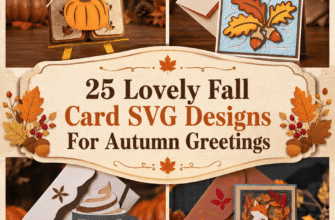 Fall
Fall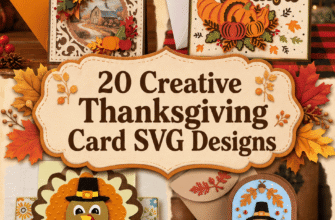 Thanksgiving
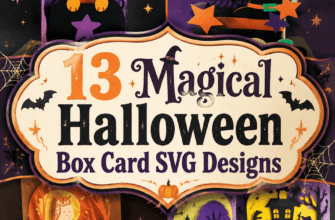 Halloween
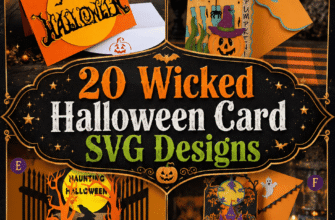 Halloween
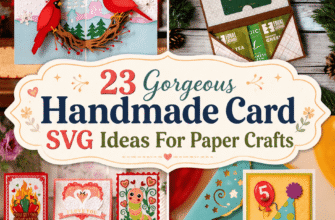 Greeting Cards
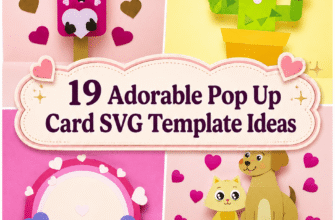 Greeting Cards
Home Decor
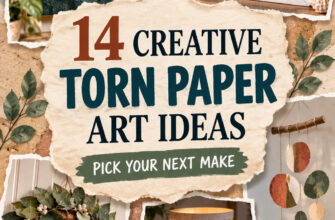
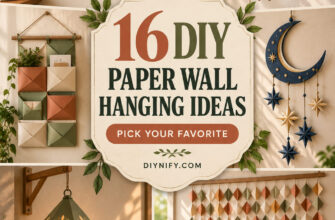
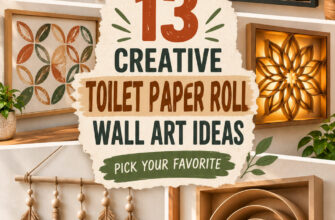
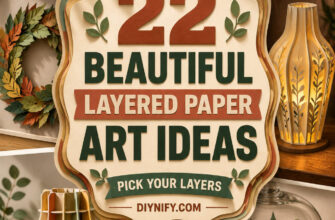
Life Events
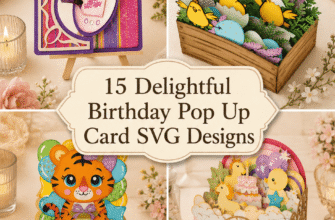
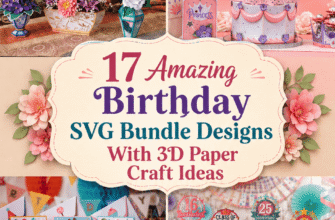
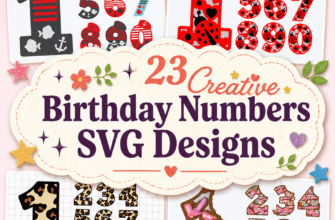
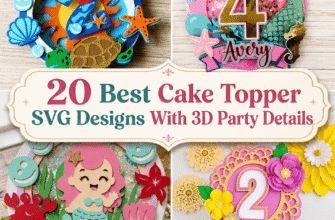
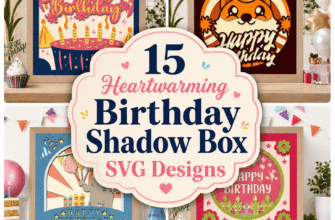
Holidays
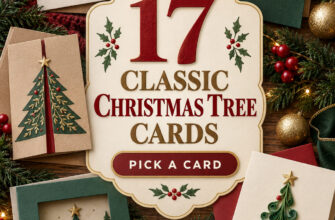 Christmas
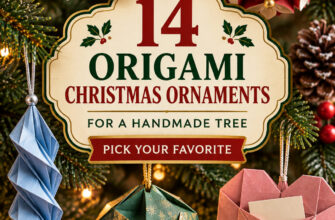 Christmas
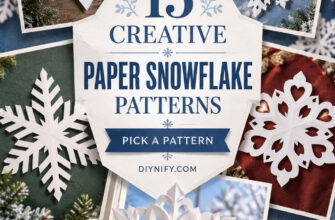 Christmas
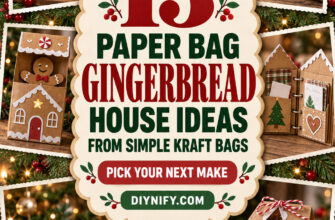 Christmas
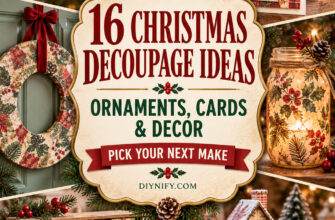 Christmas
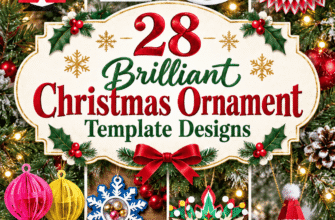 Christmas
Flowers
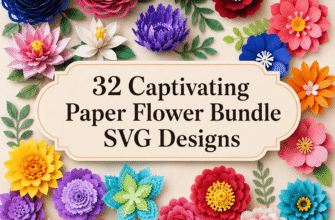
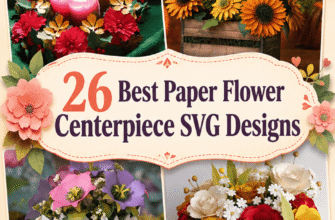
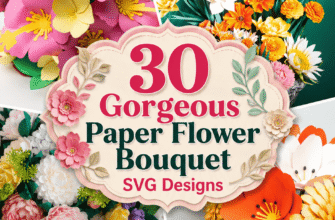
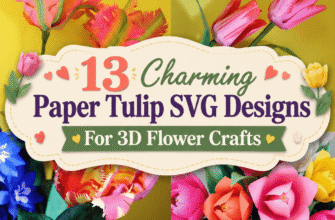
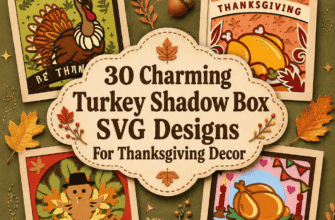
How To Choose 3D SVG Designs For Paper Crafts
Choosing 3D SVG designs for paper crafts is easier when you start with the finished project, not with the preview image alone. A design may look beautiful on screen, but it still needs to cut cleanly, layer neatly, fold where needed, and hold its shape after assembly.
That is the main idea behind Diynify: helping crafters look at SVG projects through a practical paper craft lens. A strong file should make the final result clear before you start cutting. You should understand what the project is meant to become, how the main pieces fit together, and whether the design matches your paper, time, tools, and skill level.
For handmade paper projects, the most useful SVG file is not always the most detailed one. Clean structure, readable shapes, balanced layers, and realistic assembly often matter more than decoration. A simpler design with a clear purpose can look more polished than a complicated file filled with fragile cuts.
Quick craft check: before choosing any SVG file, ask what the finished project should do. Will it be gifted, framed, displayed, folded, layered, used for a party, or made as seasonal decor? The answer usually tells you what kind of design will work best.
What Makes A Paper Craft SVG File Worth Using?
A useful paper craft SVG file has structure. The layers need to make sense, the main subject should stay visible, and the smallest details should still be practical after cutting. This matters even more with dimensional projects because every layer changes the final look.
When a design is well planned, assembly feels calmer. You can see which pieces belong in the background, which ones build the focal point, and where depth or shadow should appear. A poorly prepared file does the opposite. It forces you to fix problems that should have been solved in the design stage.
Clear Layers
Each layer should add shape, color, depth, or support. Extra layers that do not change the final result usually make the project slower without making it better.
Readable Shapes
The main subject should be easy to recognize after cutting. If the design depends on tiny details, it may lose impact when made smaller.
Practical Assembly
A craft SVG should have a logical build order. The pieces should stack, fold, curl, or attach without forcing awkward fixes.
Strong Finished Use
The design should have a clear purpose: display, gifting, decorating, framing, party styling, or creating a handmade keepsake.
Flat SVG Files Vs 3D SVG Designs
Not every SVG file is made for dimensional paper crafting. Some files are designed for flat vinyl, print projects, labels, or simple single-layer cuts. Those files can be useful, but they do not always translate well into layered paper crafts.
A 3D SVG design usually needs more planning. It may include stacked layers, score lines, tabs, folded parts, spacing, curved pieces, box panels, or framed depth. That gives the finished project more presence, but it also means the file needs to be cleaner and more intentional.
| Feature | Flat SVG | 3D SVG For Paper Crafts |
|---|---|---|
| Project feel | Simple, graphic, and usually built around one main layer. | Dimensional, layered, folded, framed, or assembled from multiple parts. |
| Best use | Signs, decals, labels, print-style graphics, and basic cut shapes. | Cards, framed scenes, flowers, boxes, toppers, ornaments, and handmade decor. |
| Main challenge | Clean cutting and correct sizing. | Layer order, paper choice, spacing, folds, strength, and assembly time. |
| Final result | Flat and direct. | More depth, texture, shadow, and handmade detail. |
How To Judge A Design Before Cutting
A preview image can hide practical problems. Thin lines may look elegant online but tear during cutting. Tiny pieces may look detailed but become frustrating to remove from the mat. A layered project may appear deep in the mockup but feel flat if there is no real spacing between layers.
Before starting a paper craft project, it helps to check the design like a crafter, not just like a viewer. Look at the scale, the layer count, the paper strength, the color contrast, and the way the final piece will be used.
- Check the project size. A detailed SVG design may work at a large size but become too delicate when scaled down.
- Look for fragile cuts. Thin swirls, tiny stars, small flower centers, and narrow lettering can tear if the paper or blade setting is not right.
- Count the layers. More layers can create depth, but they also add time, paper, alignment work, and assembly risk.
- Plan your paper colors. Layered paper crafts need contrast. Similar colors can make the finished piece look flat.
- Think about support. Standing pieces, toppers, boxes, hanging decor, and framed layers need stronger construction than flat panels.
- Match the project to your patience. A quick handmade card and a deep layered display are both useful projects, but they require a different kind of crafting time.
Best SVG Project Choice By Crafting Goal
The easiest way to choose a design is to start with the crafting goal. Some projects are made to be gifted. Some are made to be displayed. Some are better for party tables, seasonal decorating, or small handmade details. Once the goal is clear, the right SVG design becomes easier to spot.
| Crafting Goal | What To Look For | Why It Matters |
|---|---|---|
| Make something giftable | Clean shapes, personal theme, neat folds, and space for names or messages. | Gift projects need to feel finished and durable, not just decorative. |
| Create display decor | Strong focal point, layered depth, balanced colors, and frame-friendly proportions. | Display pieces need to hold attention from a distance and still look detailed up close. |
| Build a party project | Bold shapes, sturdy construction, repeatable pieces, and easy color matching. | Party crafts often need multiples, so the design should not be too slow to reproduce. |
| Try a beginner project | Fewer layers, larger pieces, simple assembly, and a clear front-to-back structure. | Beginner projects should build confidence instead of turning into a rescue mission. |
| Make a detailed keepsake | Meaningful subject, layered composition, strong contrast, and careful finishing details. | Keepsake projects deserve more time because the final piece is meant to last. |
Layering, Depth, And Paper Choice
Layering is where many 3D SVG paper crafts either come alive or fall flat. The file gives you the structure, but the final depth depends on paper weight, color choices, spacers, glue placement, and how carefully the pieces are aligned.
For layered projects, contrast is just as important as detail. A darker background can make light foreground pieces stand out. A soft middle layer can create depth without fighting the main subject. Foam tape or small spacers can separate layers enough to create shadows, especially in framed projects and dimensional cards.
- Use medium-weight cardstock for most projects. It is usually easier to cut, layer, fold, and glue than very thin paper or overly heavy cardstock.
- Test delicate sections first. Small details reveal problems before you waste a full sheet of paper.
- Keep color contrast visible. If two layers are too close in color, the design may lose depth.
- Add spacing when depth matters. Flat glue works for some projects, but dimensional designs often need small gaps between layers.
- Do not rush drying time. Moving layered pieces too early can shift alignment and make clean projects look messy.
Helpful test: if the project looks unclear in a small preview, it may also look unclear after cutting. Strong paper craft SVG designs usually have a readable silhouette before the small details are noticed.
Common Mistakes With 3D SVG Paper Projects
Most paper craft mistakes are avoidable. The problem is rarely that the crafter is not skilled enough. More often, the file is too delicate for the chosen size, the paper is not right for the structure, or the assembly is rushed before the layers are ready.
It helps to treat every new SVG design as a small test before making the final version. A quick test cut can show whether the tiny pieces lift cleanly, whether the score lines behave correctly, and whether the design still looks balanced at your chosen size.
- Scaling too far down: detailed files can break down when reduced too much.
- Using weak contrast: layered paper projects need visible separation between pieces.
- Skipping score lines: folded SVG projects look cleaner when folds are planned, not forced.
- Choosing paper only by color: the paper also needs the right weight, finish, and flexibility.
- Gluing too much too fast: excess glue can warp paper and flatten the dimensional effect.
- Ignoring final use: a design meant for display needs different strength than a flat decorative panel.
A Better Workflow For SVG Paper Crafts
A smooth paper craft workflow saves time and protects the final result. You do not need to overplan every project, but a few simple habits make a big difference, especially with layered and dimensional SVG designs.
- Start with the finished purpose. Decide whether the project is for a card, display piece, gift, party detail, framed decor, or seasonal decoration.
- Choose the design size before colors. Size affects detail, paper strength, and whether small parts will cut cleanly.
- Pick paper with structure in mind. Use stronger cardstock for standing pieces and smoother paper for delicate cuts.
- Test one difficult section. Check tiny cuts, score lines, or layered details before committing to the full project.
- Lay out the pieces before gluing. Dry-fitting helps you understand the layer order and prevents rushed mistakes.
- Finish slowly. Clean alignment, patient glue work, and small spacing adjustments often matter more than extra decoration.
Why Project-First SVG Inspiration Works Better
Project-first inspiration means you start with what you want to make, then choose the SVG design that fits that goal. This is better than collecting random files and hoping one of them works later. A focused project makes it easier to choose the right file, the right paper, and the right amount of detail.
That approach also makes browsing more useful. Instead of judging every design only by style, you can ask better questions. Is this file good for layering? Will it fit inside a frame? Can it be folded cleanly? Is it strong enough to stand? Will the small details survive at the size I need?
Those questions make the difference between a design that looks nice in a preview and a finished paper craft project that feels polished in real life.
Frequently Asked Questions About 3D SVG Paper Crafts
What are 3D SVG designs for paper crafts?
They are digital cut file ideas made for dimensional paper projects. A 3D SVG design may use layers, folds, tabs, spacing, curled shapes, or assembled parts to create depth and structure.
What makes a paper craft SVG beginner-friendly?
A beginner-friendly SVG usually has larger pieces, fewer layers, simple folds, clear shapes, and an easy assembly order. It should not depend on tiny details or perfect spacing to look good.
Why do layered SVG projects sometimes look flat?
Layered projects can look flat when the paper colors are too similar, the pieces are glued without spacing, or the design does not have enough contrast between foreground and background layers.
Should every SVG project be test cut first?
A full test cut is not always necessary, but testing the most delicate part is smart. It can reveal problems with small details, paper weight, blade settings, or scaling before the final cut.
What is the best way to choose a 3D SVG project?
Start with the finished use. Decide whether the project should be gifted, framed, displayed, folded, used for a party, or made as seasonal decor. Then choose a design that fits that purpose.